US Weighs Military Intervention in Mali Amid Fears of Rising Russian Influence
 Arun
Arun
The US government is reportedly weighing its options for military intervention in Mali, a fragile West African nation with growing ties to Russia.
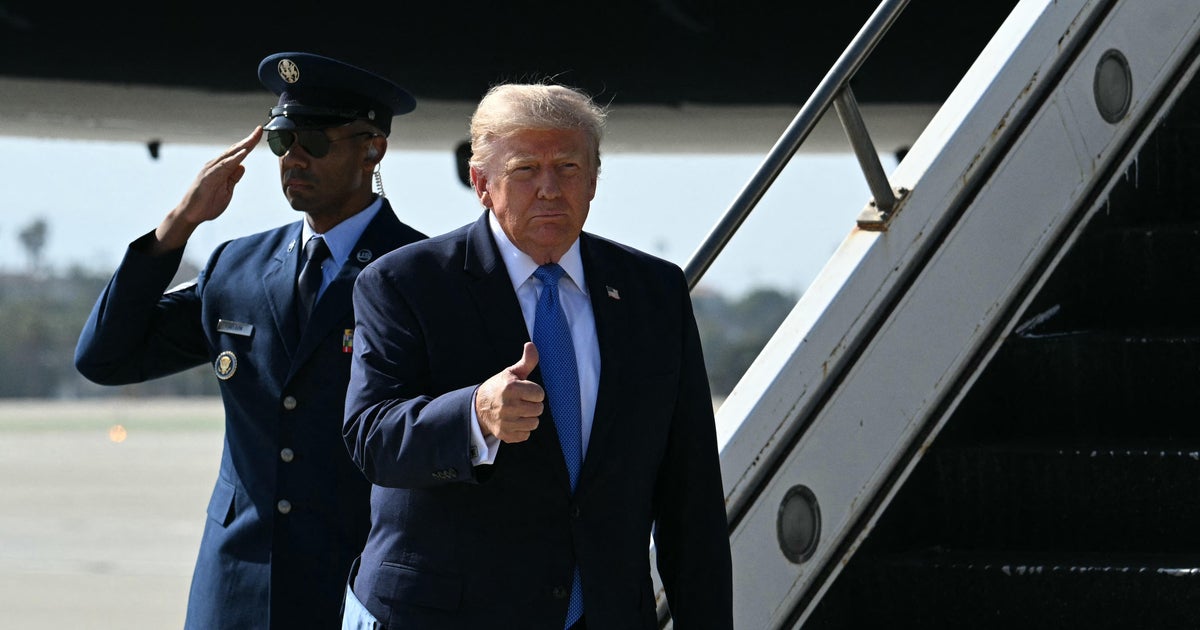
According to sources close to the matter, the Trump administration is considering a range of military options, from limited airstrikes to a more extensive deployment of ground troops.
However, the move is not without its challenges. Mali, with its unstable government and porous borders, poses significant logistical and operational risks for US forces.
The decision to intervene in Mali comes as the country's relationships with the US and other Western nations are being reevaluated. Russia has been increasingly courting Mali, providing significant military aid and training to the country's armed forces.
Malians have been fighting Islamist militants in the north of the country, including the Al-Qaeda-affiliated Jama'at Nusrat al-Islam wal-Muslimin (JNIM), which has ties to other terrorist groups across the region.
The US has provided significant support to the Malian military in the past, including training and equipment. However, the relationship has been strained in recent years, with concerns over corruption and human rights abuses within the Malian military.
A US military intervention in Mali would likely be met with resistance from some members of Congress, who are already wary of the administration's foreign policy approach.
Others argue that US involvement in Mali would be a critical component of a broader strategy to counter Russian influence in the region.
As the US weighs its options, it's clear that any decision to intervene in Mali will be deeply influenced by the administration's views on Russia and the need to push back against its growing presence in the region.
Malians, meanwhile, are caught in the middle, struggling to maintain stability and security in the face of competing external influences.
"The situation in Mali is extremely complex, and any US intervention would need to be carefully considered," said a senior diplomat, who spoke on condition of anonymity.
The US has a history of intervening in West Africa, including in the 2014-2015 Ebola crisis, when US military personnel were deployed to help contain the outbreak.
However, a full-scale military intervention in Mali would be a significant escalation of US involvement in the region, with potentially far-reaching consequences for regional stability and security.
- The US has a significant military presence in West Africa, with troops stationed in countries such as Niger, Ghana, and Senegal.
- Mali is a key transit point for migrants seeking to reach Europe, and any collapse of the country's government could exacerbate the migrant crisis.
- Russia has been expanding its presence in West Africa, with significant investments in infrastructure and military aid to several countries in the region.
- The US and Russia have a long history of competition for influence in Africa, with the US seeking to maintain its traditional role as a key player on the continent.
The outcome of the US deliberations on Mali will have significant implications for regional security and the balance of power between the US and Russia.
In the meantime, the people of Mali remain caught in the crossfire, struggling to build a stable and secure future in the face of competing external interests.