SEC Scrutiny of Crypto Sector Intensifies Amid Regulatory Uncertainty
 highabhi
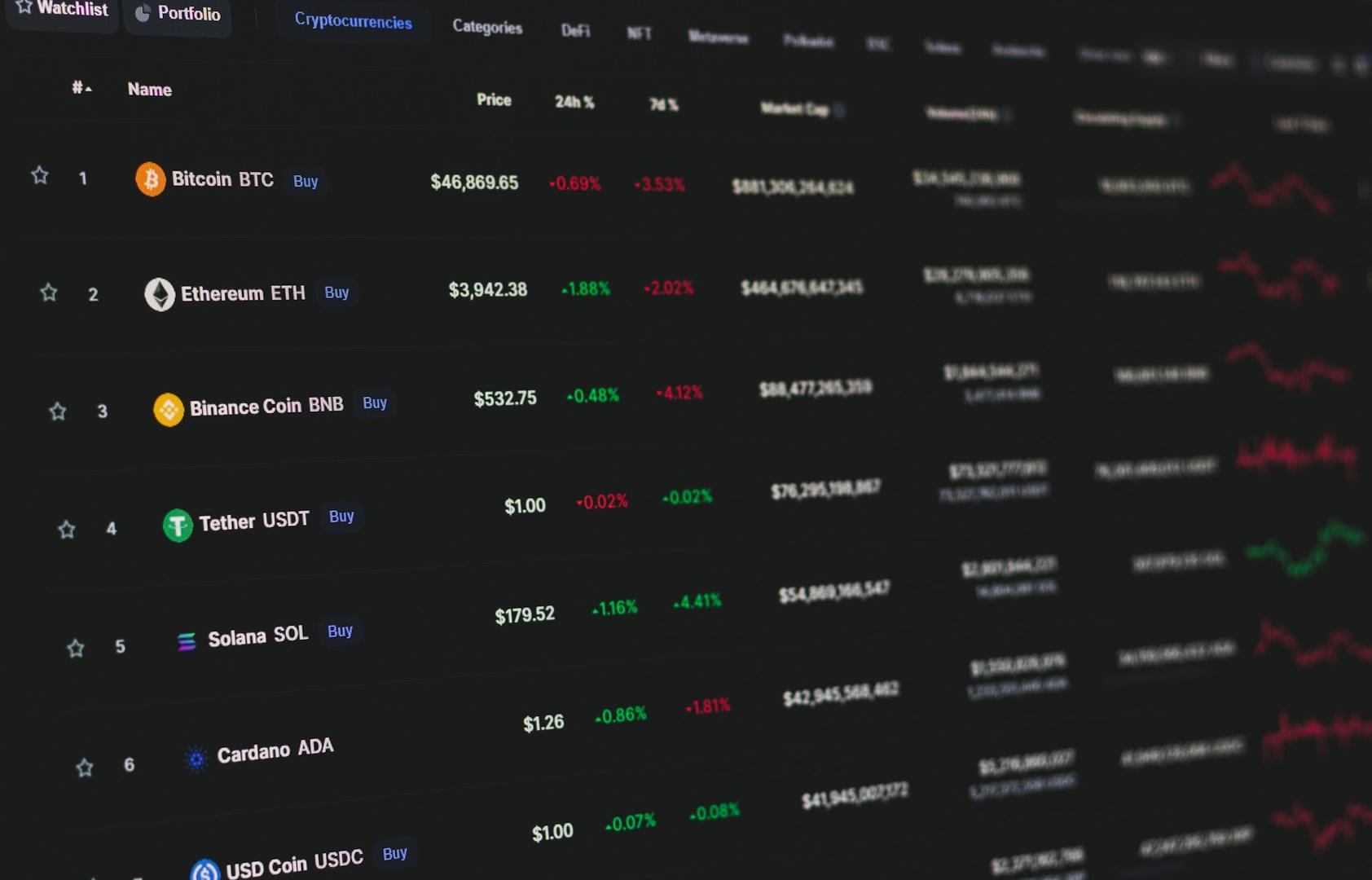
The cryptocurrency market has long been plagued by regulatory uncertainty, with the US Securities and Exchange Commission (SEC) at the forefront of the debate. In recent months, the SEC's actions have sent shockwaves throughout the industry, leaving many wondering about the future of cryptocurrency regulation.
At the heart of the issue is the SEC's classification of cryptocurrencies as securities. This classification, which was first proposed in 2017, has been the subject of intense debate among industry players. Some argue that cryptocurrencies are commodities, while others believe they are securities subject to SEC oversight.
Despite the uncertainty, the SEC has been taking a more aggressive stance on cryptocurrency regulation. In 2022, the agency launched a series of enforcement actions against companies involved in initial coin offerings (ICOs). These actions have been seen as a warning to the industry, with some interpreting them as a attempt to crack down on what the SEC views as unregistered securities offerings.
But what does this mean for the future of cryptocurrency? As the SEC's actions raise uncertainty, key players are working to adapt to the evolving rules. Some are seeking clarity on the SEC's classification of cryptocurrencies, while others are working to develop new products and services that can navigate the complex regulatory landscape.
One area that is seeing significant innovation is the development of security tokens. These tokens, which are designed to be securities, are seen as a potential solution to the regulatory uncertainty surrounding cryptocurrencies. By using security tokens, companies can create digital assets that are compliant with SEC regulations.
However, even as innovation continues to drive the sector forward, there are concerns about the SEC's ability to keep pace with the changing landscape. Some industry players argue that the agency's actions are stifling innovation, while others believe that the regulator is simply trying to do its job.
Ultimately, the future of cryptocurrency regulation will depend on a delicate balance between innovation and regulatory compliance. As the SEC continues to scrutinize the sector, it is clear that the industry will need to adapt quickly to the evolving rules. Whether this means developing new products and services or seeking clarity on SEC regulations remains to be seen.
A number of industry players have weighed in on the issue, offering their thoughts on the SEC's actions and the future of cryptocurrency regulation.
"The SEC's actions are a necessary step in ensuring that the cryptocurrency sector is regulated in a way that protects investors," said SEC Chair Gary Gensler.
"While the SEC's actions are certainly a challenge for the industry, they also present opportunities for innovation and growth. We're seeing a number of companies develop new products and services that can navigate the complex regulatory landscape," said CoinDesk CEO Kevin Worth.
"The SEC's classification of cryptocurrencies as securities is a major obstacle for the industry. We need clarity on this issue in order to move forward," said Binance CEO Changpeng Zhao.
As the cryptocurrency sector continues to evolve, one thing is clear: the SEC's actions will have far-reaching implications for the industry. By working to adapt to the evolving rules, companies can ensure that they remain competitive in a rapidly changing market.