Hormuz Strait Deal on the Brink: Trump's High-Stakes Gamble with Iran and Oman
 Arun
Arun
The Strait of Hormuz, a strategic waterway connecting the Persian Gulf to the Gulf of Oman, has been at the center of a high-stakes diplomatic push by the US, Iran, and Oman. The talks, facilitated by US President Donald Trump, have reportedly made significant progress, with Iran and Oman reaching an understanding on the coordinates of the route through the strait.
According to sources, the proposed deal would grant Iran control over inbound traffic through the strait, a move that could have far-reaching implications for global oil markets. The development comes as gas prices continue to remain high, with experts attributing the surge to geopolitical tensions in the region.
While the exact details of the proposed deal remain unclear, it is understood that the agreement would aim to establish a framework for the safe passage of oil tankers through the strait. The move is seen as a significant development in the efforts to de-escalate tensions in the region and reduce the risk of conflict.
However, the deal's implications for regional security and global oil markets remain uncertain. Critics have raised concerns that the agreement could embolden Iran to pursue more aggressive policies in the region, potentially leading to increased tensions with neighboring countries.
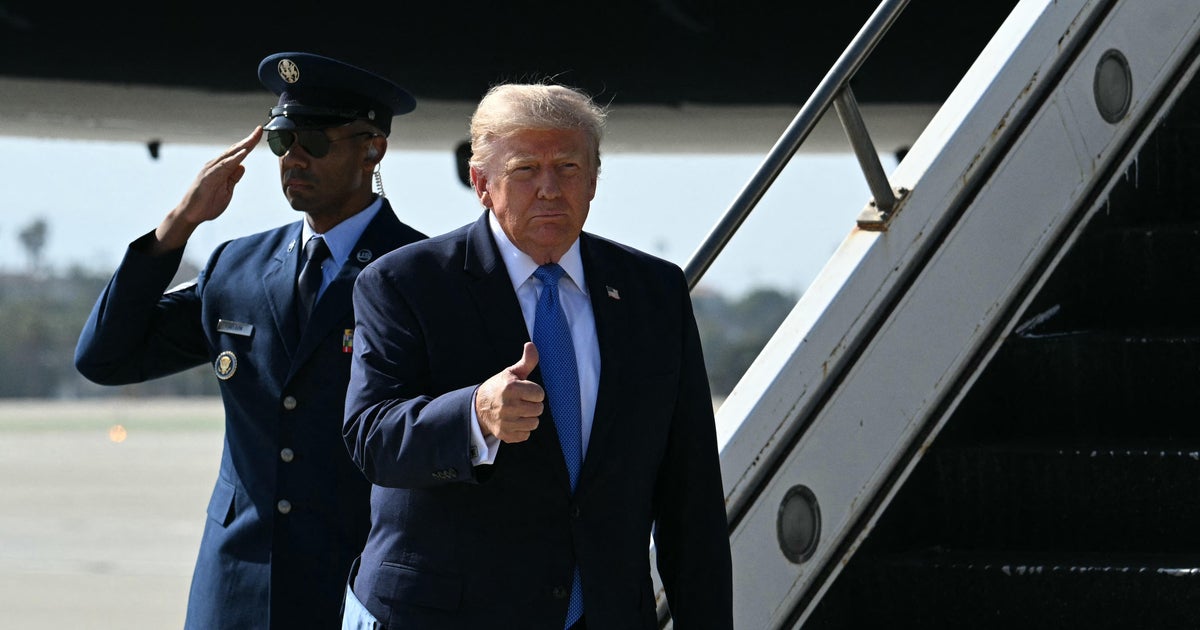
Meanwhile, the US has expressed optimism about the prospects of a successful deal, with President Trump suggesting that an agreement could be finalized as early as Wednesday. The development has sparked hopes of a breakthrough in the region, with many seeing it as a significant step towards reducing tensions and promoting stability.
Experts note that the deal's success will depend on the willingness of all parties to compromise and find common ground. The agreement would need to address the concerns of all stakeholders, including the US, Iran, Oman, and other countries with interests in the region.
In a bid to reassure the international community, the US has emphasized that the agreement would be subject to strict verification and monitoring mechanisms. The move is seen as an attempt to mitigate concerns about the potential risks and implications of the deal.
As the talks continue, the world is watching with bated breath, awaiting the outcome of this complex and high-stakes diplomatic gambit. Will the deal succeed in reducing tensions and promoting stability in the region, or will it create new challenges and risks? Only time will tell.
"We are making good progress in our talks with Iran and Oman," said a senior US official, who wished to remain anonymous. "We are optimistic about the prospects of a successful deal, but we need to ensure that it meets the concerns of all stakeholders."
While the world waits with bated breath for the outcome of the talks, one thing is clear: the fate of the Strait of Hormuz and the future of regional security hang in the balance.