Trump & Netanyahu's Tense Meeting Highlights Splits Over Iran Policy
 Arun
Arun
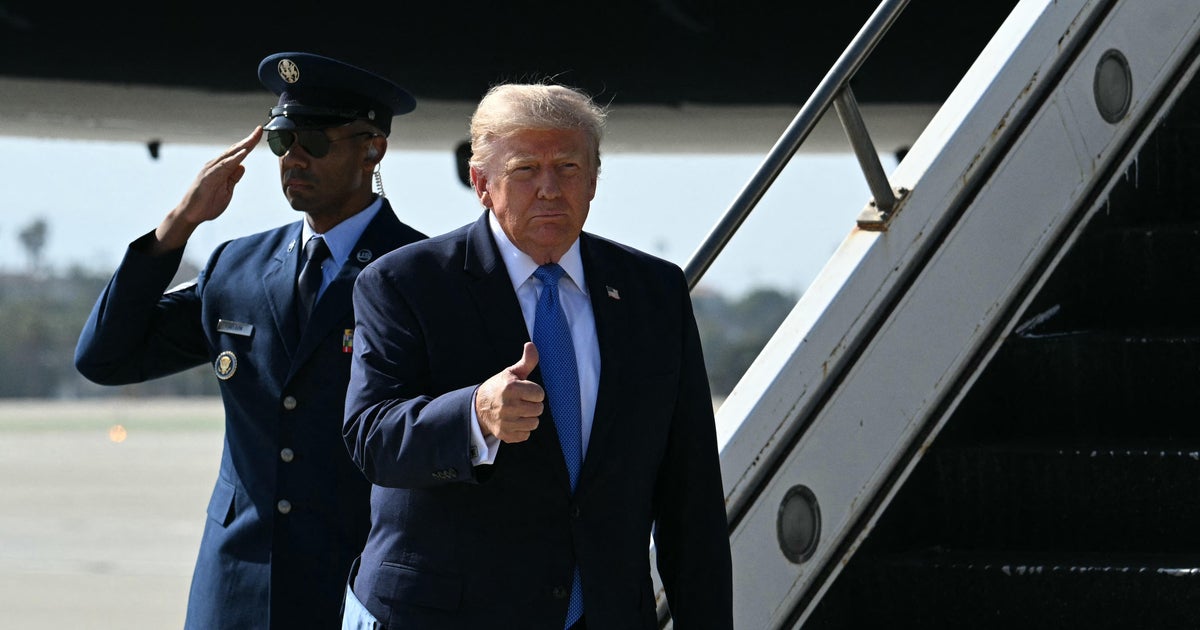
Amid a brewing storm in the Middle East, Israeli Prime Minister Benjamin Netanyahu arrived at the White House on Wednesday for a highly anticipated meeting with President Donald Trump. The Oval Office encounter was meant to underscore the strong alliance between the two nations. However, the meeting sent mixed signals, exposing deepening divisions over Iran's nuclear program.
The Iran nuclear deal, also known as the Joint Comprehensive Plan of Action (JCPOA), has been a point of contention between the US and its European allies. The US withdrawal from the deal in 2018 sparked a heated debate, with some arguing that it would push Iran closer to developing a nuclear weapon. Others saw it as a necessary move to address the deal's perceived flaws.
Trump's decision to impose fresh sanctions on Iran has been met with skepticism by some of his advisors and lawmakers. They argue that the move could push Iran further into the arms of its regional adversaries, including Russia and China. Meanwhile, Netanyahu has been a vocal advocate for a more aggressive approach to dealing with Iran.
The dynamics at play in the Middle East are complex and multifaceted. The region is home to numerous competing interests, including Saudi Arabia, Turkey, and Iraq. Each of these nations has its own agenda, with some pushing for a more confrontational approach to Iran, while others seek a negotiated settlement.
Analysts see the Trump-Netanyahu meeting as a reflection of these competing interests. 'This meeting highlights the splits within the administration over how to address Iran's nuclear ambitions,' said Dr. Aaron David Miller, a veteran Middle East expert. 'The president's approach is driven by a mix of policy and politics, with the goal of appeasing his base and winning re-election.'
The meeting also underscored the delicate balance between the US and Israel. The two nations have a special relationship, with the US providing Israel with significant financial and military aid. However, the relationship is not without its tensions, particularly when it comes to issues related to Iran.
'The US and Israel have different calculations when it comes to Iran,' said Dr. Yossi Alpher, a former director of the Jaffee Center for Strategic Studies in Tel Aviv. 'The US sees Iran as a threat to its regional interests, while Israel sees it as an existential threat.'
In the end, the Trump-Netanyahu meeting was a reflection of the complex dynamics at play in the Middle East. While the two leaders spoke in positive terms about their alliance, the meeting highlighted the deep divisions that exist over how to address Iran's nuclear ambitions. As the region continues to evolve, one thing is clear: the stakes are high, and the choices will be difficult.