The Crypto Conundrum: Regulators Seek Clarity Amidst Turmoil
 highabhi
The world of cryptocurrency has been marked by unprecedented volatility, with prices plummeting and soaring in a matter of days. Amidst this chaos, regulators are facing increasing pressure to provide clarity and oversight, ensuring that the sector operates safely and fairly.
One of the key challenges regulators face is striking a balance between innovation and risk. On one hand, cryptocurrency offers tremendous opportunities for financial inclusion, increased efficiency, and reduced transaction costs. On the other hand, the lack of transparency and regulatory frameworks has led to numerous scandals and Ponzi schemes.
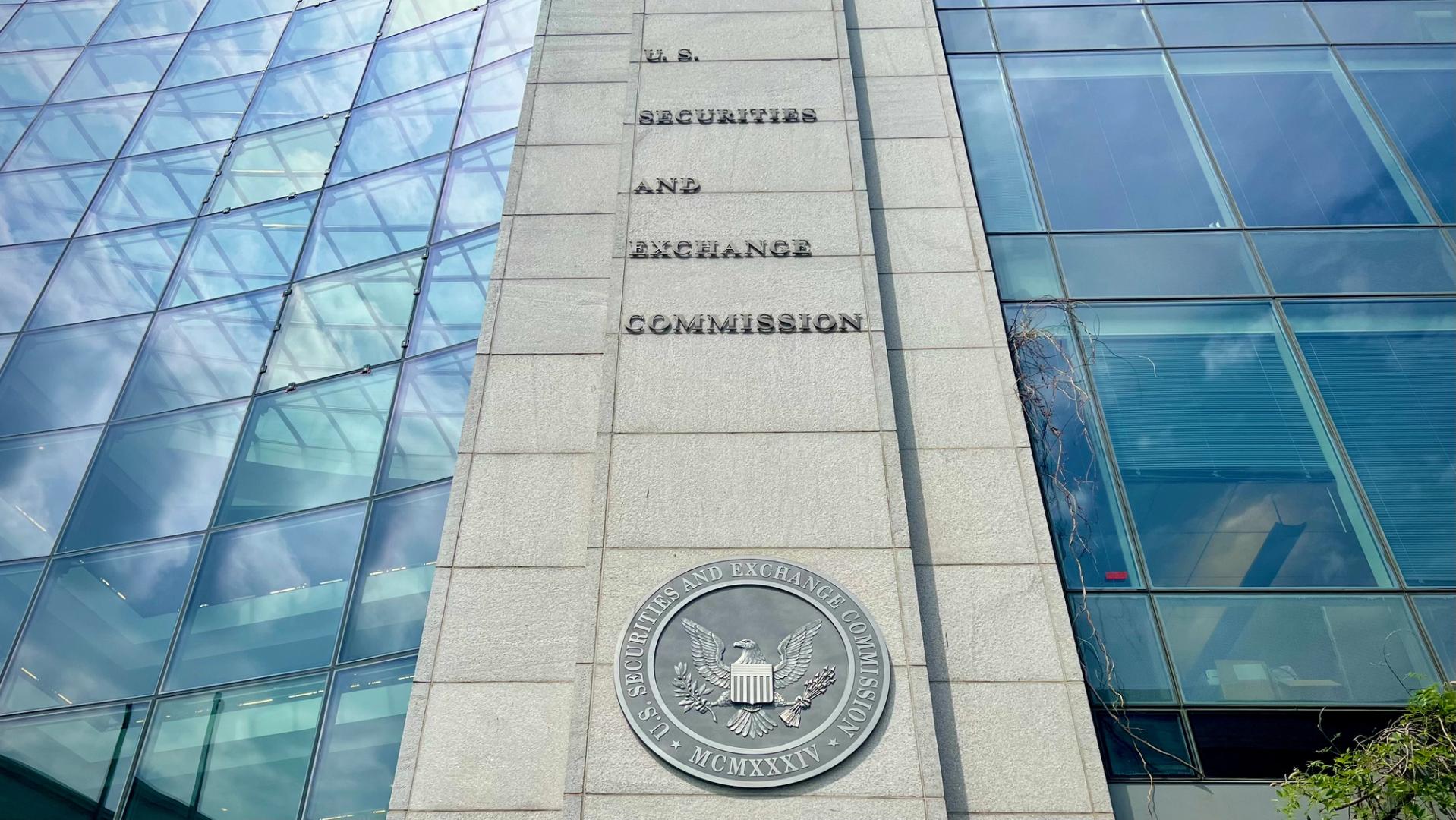
Enter the Securities and Exchange Commission (SEC), which has taken a firm stance on cryptocurrency regulation. In a recent statement, the agency emphasized the need for 'clear and consistent rules' to govern the sector. While this move has been welcomed by some, others argue that it may stifle innovation and limit the potential of cryptocurrency.
So, what exactly does this mean for the average investor? In essence, regulators are seeking to establish clear guidelines for Initial Coin Offerings (ICOs), which have been a contentious issue in the cryptocurrency space. The SEC has proposed a framework that would require companies to register their ICOs and disclose key information to investors.
But what about decentralized finance (DeFi), a rapidly growing sector that enables lending, borrowing, and trading without the need for intermediaries? Regulators are still grappling with how to regulate DeFi, which has been criticized for its lack of transparency and risk management.
Regulatory clarity is also crucial for institutional investors, who have been hesitant to enter the cryptocurrency space due to uncertainty around regulatory frameworks. As the market continues to grow, it's essential that regulators provide a clear and consistent framework for institutional investors to operate within.
The debate around cryptocurrency regulation is complex and multifaceted. While some argue that regulators should take a hands-off approach, allowing the market to self-regulate, others believe that more stringent oversight is necessary to prevent another market meltdown.
As regulators continue to grapple with these issues, it's essential that they strike a balance between innovation and risk. By establishing clear guidelines and oversight, regulators can ensure that the cryptocurrency market operates safely and fairly, while also allowing it to grow and evolve.
Ultimately, the future of cryptocurrency regulation will depend on the ability of regulators to navigate this complex landscape. By listening to industry experts, investors, and market participants, regulators can create a regulatory framework that promotes innovation, transparency, and oversight, while also ensuring the long-term viability of the cryptocurrency market.
The world of cryptocurrency is rapidly evolving, and regulators must adapt to these changes. By providing clarity and oversight, regulators can help build trust and confidence in the market, paving the way for widespread adoption and growth.
Regulators are facing a daunting task, but one that is crucial for the future of the cryptocurrency market. As the industry continues to grow and evolve, it's essential that they get it right.
Whether it's through registration requirements, risk management frameworks, or clearer guidelines, regulatory clarity is essential for ensuring that the cryptocurrency market operates safely and fairly.
As the cryptocurrency market continues to navigate uncharted territory, one thing is clear: regulatory clarity is the key to unlocking its full potential.