Crypto Investors Shift Focus from Market Dominance to Real-World Utility
 highabhi
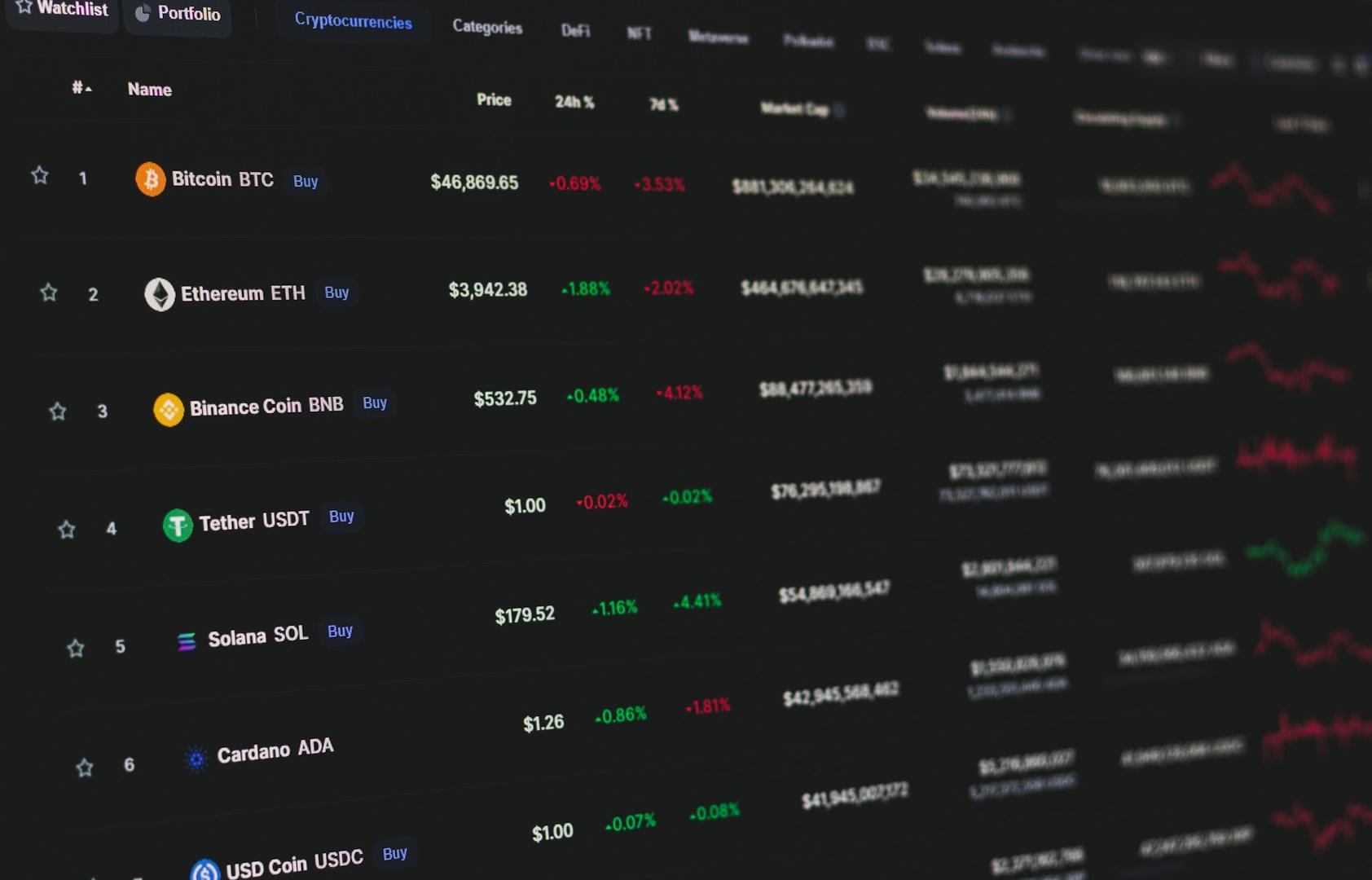
The cryptocurrency market has undergone numerous transformations since its inception, with investors evolving their strategies to adapt to changing trends and technological advancements. In recent times, a notable shift has been observed in the way investors evaluate cryptocurrency tokens, with a growing emphasis on usage, economics, and value capture over traditional market capitalization rankings.
This paradigm shift is driven by a recognition of the importance of real-world utility in determining a token's long-term value. As investors become increasingly sophisticated, they are seeking tokens with tangible use cases, efficient economic models, and effective value capture mechanisms. By doing so, they are essentially moving away from speculative investments based on market capitalization rankings and towards more strategic, value-driven investments that have a higher potential for growth and sustainability.
Industry executives point to the success of projects like Polkadot, Cosmos, and Solana, which have all demonstrated strong growth and adoption rates due to their emphasis on interoperability, scalability, and usability. These projects have managed to create robust ecosystems that attract developers, users, and investors, resulting in increased demand for their tokens and corresponding price appreciation.
On the other hand, projects that were once considered leaders in the market have struggled to adapt to this new investor mindset. Despite high market capitalizations, they have failed to demonstrate tangible use cases or effective economic models, leading to a decline in investor interest and subsequent price corrections.
The shift towards real-world utility is also reflected in the growing popularity of decentralized finance (DeFi) applications. DeFi platforms, which enable users to lend, borrow, and trade cryptocurrencies in a decentralized manner, have attracted significant attention from investors due to their potential to create new revenue streams and increase the efficiency of cryptocurrency transactions.
Another factor contributing to this shift is the increasing awareness of the importance of environmental sustainability in the cryptocurrency space. As concerns about energy consumption and carbon emissions continue to grow, investors are seeking tokens that have a lower environmental impact or are actively working to reduce their footprint.
The emphasis on usage, economics, and value capture is also driving innovation in the development of new token economic models. The introduction of novel mechanisms such as staking rewards, liquidity mining, and token vesting schedules is enabling projects to create more efficient and effective token distributions, thereby increasing their attractiveness to investors.
In conclusion, the cryptocurrency market is undergoing a significant shift in investor sentiment, with a growing emphasis on real-world utility and value-driven investments. As investors become increasingly sophisticated, projects that prioritize tangible use cases, efficient economic models, and effective value capture mechanisms are gaining traction, while others are struggling to adapt. This shift is expected to continue, with innovative projects and DeFi applications leading the charge in the coming years.