Stripe's PayPal Play: The Future of Digital Payments Hangs in the Balance
 highabhi
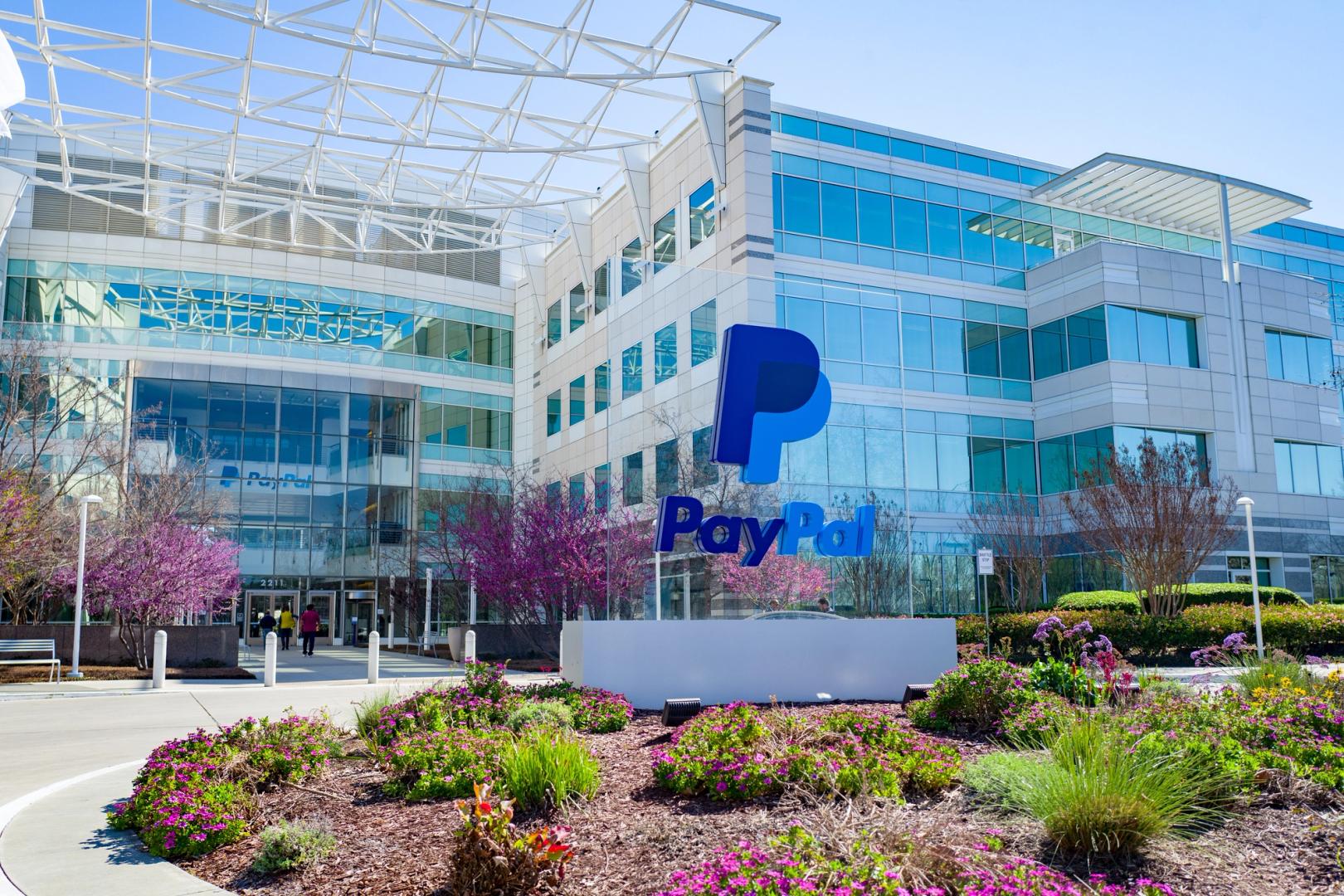
Rumors of a potential Stripe acquisition of PayPal have sent shockwaves through the fintech industry, leaving many to wonder what the future holds for consumer wallets, stablecoin issuance, and digital payment infrastructure.
At the heart of this acquisition, if it were to happen, is the potential for Stripe to become the dominant force in the digital payments landscape. With a valuation of over $53 billion, a deal would be a high-stakes gamble for both parties involved.
In the world of digital payments, the stakes are high. With the growth of e-commerce and the increasing adoption of mobile payments, companies are racing to establish themselves as leaders in the space. Stripe, founded in 2010, has already made significant strides in this regard, offering a suite of payment processing tools for businesses of all sizes.
PayPal, on the other hand, has a long history of innovation in the digital payments space. From its early days as a peer-to-peer payment service to its current status as a leading global payment platform, PayPal has consistently pushed the boundaries of what is possible in the world of digital payments.
So, what would a Stripe acquisition of PayPal mean for the future of digital payments? One potential outcome is that Stripe would gain access to PayPal's extensive network of merchants and consumers, significantly expanding its reach and influence in the market.
Another possibility is that Stripe would leverage PayPal's expertise in stablecoin issuance and digital wallet technology to further develop its own offerings in these areas.
This could have significant implications for the future of digital payments, as we may see the rise of decentralized, blockchain-based systems that enable consumers to store and manage their own digital assets.
However, there are also risks associated with this acquisition. For one, it could lead to a concentration of market power in the hands of a single company, potentially stifling innovation and competition in the digital payments space.
Additionally, the deal could be challenged by regulators, who may view the acquisition as anticompetitive or a threat to consumer protection.
Despite these risks, the potential rewards of a Stripe acquisition of PayPal make it an intriguing prospect for the future of digital payments. As the fintech industry continues to evolve and innovate, one thing is clear: the stakes are high, and the future is uncertain.
As the fintech industry continues to evolve, one thing is clear: the stakes are high, and the future is uncertain. But one thing is for sure – the acquisition of PayPal by Stripe would be a game-changer for the digital payments landscape.
It remains to be seen whether this deal will come to fruition, but what is certain is that the fintech industry will be watching with bated breath. The future of digital payments hangs in the balance, and the outcome will have far-reaching implications for consumers, businesses, and the industry as a whole.
A potential acquisition would be a significant turning point for Stripe and PayPal, and would likely have far-reaching implications for the digital payments landscape. Whether it's a step towards a more decentralized and blockchain-based system or a concentration of market power, the outcome is far from certain.
- A potential acquisition would be a significant turning point for Stripe and PayPal.
- The stakes are high, and the future is uncertain.
- The acquisition would likely have far-reaching implications for the digital payments landscape.
In conclusion, the potential acquisition of PayPal by Stripe is a high-stakes play that could have significant implications for the future of digital payments. While the risks are real, the potential rewards make it an intriguing prospect for the industry.
As the fintech industry continues to evolve and innovate, one thing is clear – the future of digital payments hangs in the balance. Whether this deal will come to fruition remains to be seen, but one thing is certain – the stakes are high, and the outcome will have far-reaching implications for consumers, businesses, and the industry as a whole.