Brazil's Digital Payments Reforms Spark Tensions with Washington
 highabhi
Brazil's push to digitize its payment system, driven by the success of the Pix instant payment service, is drawing attention from policymakers in Washington. While Pix and other local payment channels have streamlined transactions and reduced costs for consumers, they are seen as a potential threat to the dollar's dominance in international trade.
The US has long relied on the dollar as a global reserve currency, with over 60% of international transactions denominated in the greenback. This has given the US significant influence over global economic flows, but it has also made the country vulnerable to fluctuations in the value of its currency.
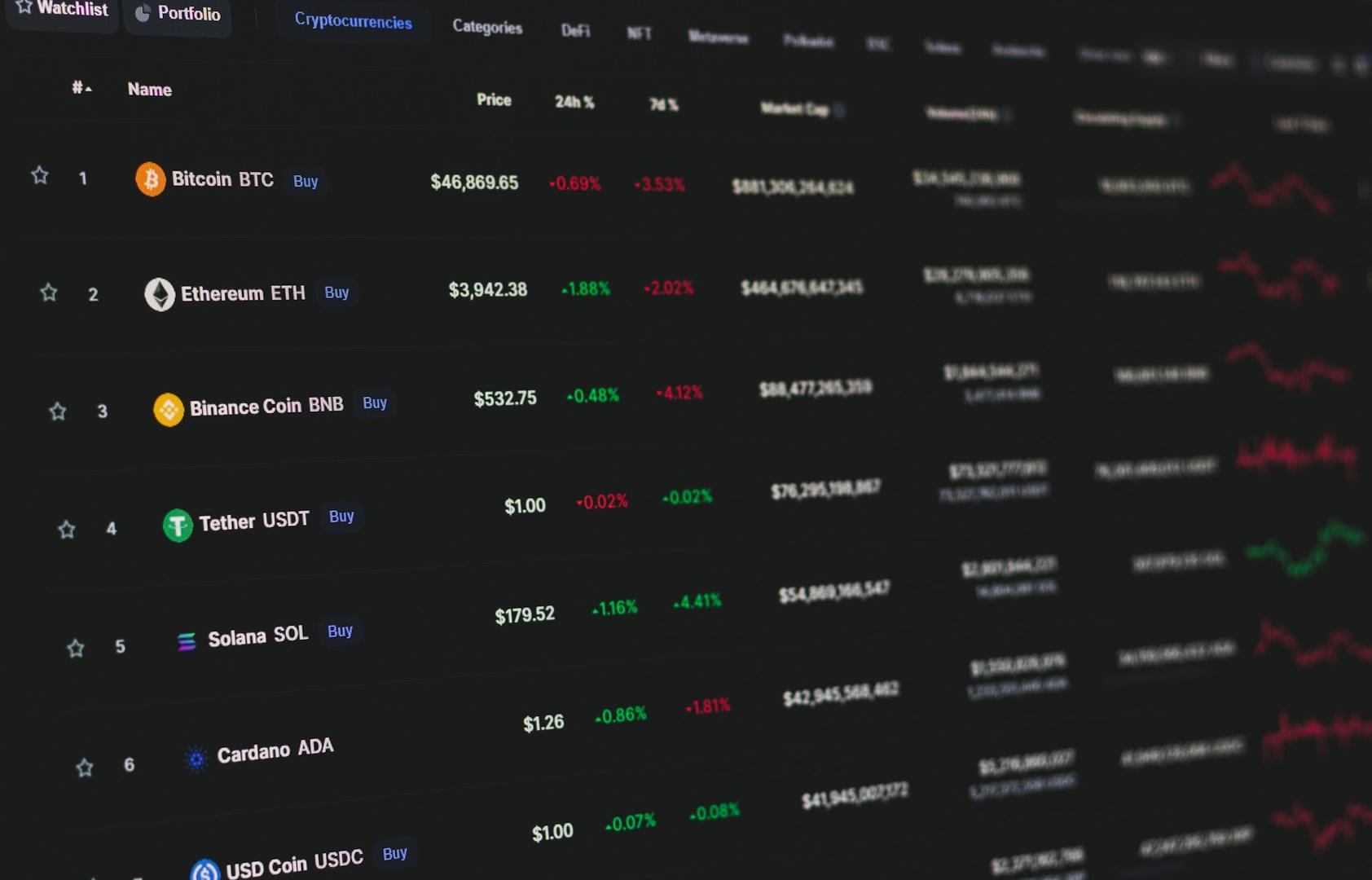
The rise of stablecoins, which are digital currencies pegged to the value of a traditional currency, has further complicated the picture. Dollar-linked stablecoins, in particular, have become increasingly popular among Brazilian consumers, accounting for around 90% of the country's crypto transactions.
However, this trend has raised concerns in Washington that Brazil is seeking to reduce its dependence on the dollar and promote alternative payment channels. Some policymakers see this as a challenge to the dollar's status as a global reserve currency and a potential threat to the stability of the entire international financial system.
The US has long been wary of the rise of alternative payment systems, which it sees as a potential challenge to its dominance in global finance. The country has traditionally used its clout to promote the use of the dollar in international trade, and has imposed strict regulations on the use of other currencies.
However, the growth of stablecoins and other digital payment channels has made it increasingly difficult for the US to maintain its grip on the global financial system. As more countries turn to digital currencies and alternative payment systems, the dollar's dominance is likely to continue to erode.
For Brazil, the benefits of digitizing its payment system are clear. Pix and other local payment channels have streamlined transactions and reduced costs for consumers, making it easier for people to buy and sell goods and services online.
However, the challenges posed by the US response to Brazil's reforms are significant. If Washington were to impose new restrictions on the use of stablecoins or other digital currencies, it could have a major impact on the Brazilian economy.
As the global financial system continues to evolve, it remains to be seen whether Brazil's reforms will spark a revolution in the use of digital currencies or simply reinforce the existing power structures in global finance.