US-Iran Conflict Escalates: A Cycle of Retaliation and Fear
 Arun
Arun
The United States and Iran have been locked in a cycle of retaliation and counter-retaliation, with the latest round of strikes sparking widespread concern and anxiety in the region.
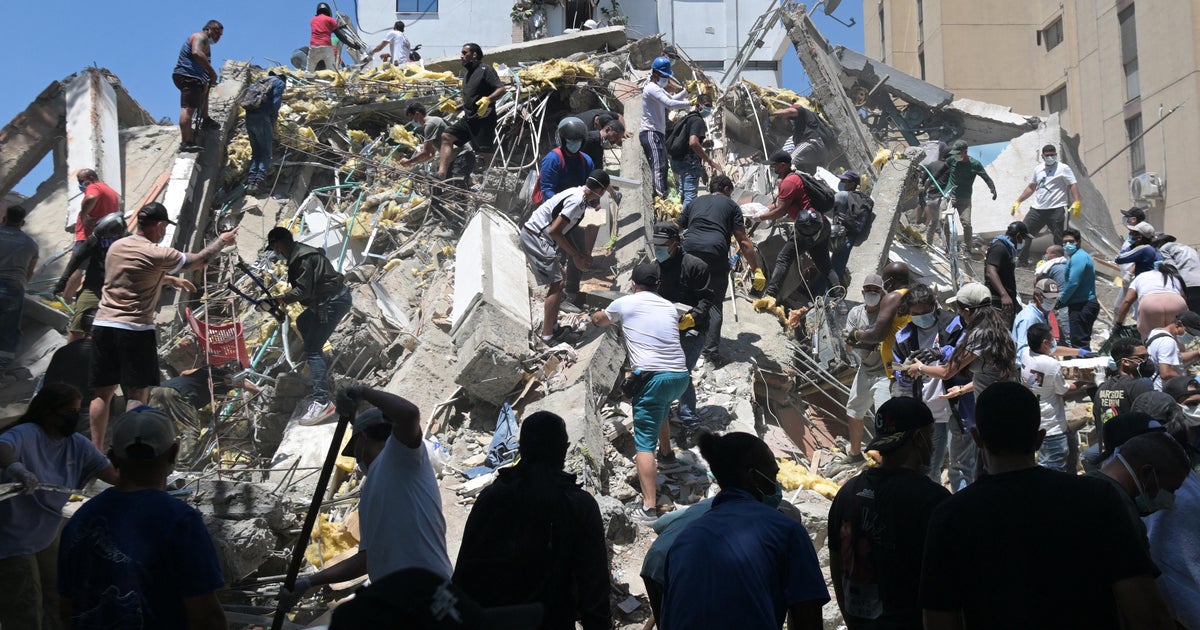
According to sources, the US military launched a series of strikes against Iranian forces in response to an attack that resulted in the deaths of two American service members. The incident has raised tensions to a boiling point, with both sides accusing each other of provocation.
Escalating a Long-Standing Conflict
The conflict between the US and Iran has been simmering for years, with a series of tit-for-tat attacks and counter-attacks causing instability in the region. The latest incident is just the latest in a long line of escalations, with both sides seemingly determined to outdo each other in terms of military might.
The US has long been critical of Iran's military activities in the region, including its support for militant groups and its development of ballistic missiles. Iran, on the other hand, has accused the US of trying to dictate its foreign policy and interfere in its internal affairs.
A Cycle of Fear and Retaliation
The cycle of fear and retaliation is a familiar pattern in the US-Iran conflict. Each side is convinced that it is defending its interests and responding to aggression from the other. In reality, however, the conflict is driven by a much deeper set of issues, including a fundamental disagreement over the role of the US in the region.
The impact of the conflict is being felt far beyond the military sphere. Ordinary Iranians are living in fear of potential future attacks, and the economy is suffering as a result of the tensions. The US, too, is feeling the strain, with some analysts warning of the potential for a wider conflict that could draw in other countries.
A Path Forward?
So what lies ahead for the US and Iran? Will the conflict escalate further, or will one side or the other be able to break the cycle of fear and retaliation? The answer is far from clear, but one thing is certain: the stakes are high and the consequences of failure could be catastrophic.
The international community is watching the situation with growing concern, and there are calls for calm and restraint from leaders around the world. But the US and Iran seem to be trapped in a cycle of escalation, with no clear exit strategy in sight.
Only time will tell if the US and Iran will be able to find a way out of this cycle of fear and retaliation. In the meantime, the people of the region can only watch as the situation continues to deteriorate.
The world is holding its breath as the US and Iran engage in a perilous game of chicken. Will they find a way out of this cycle of escalation, or will the conflict spiral out of control? Only time will tell.