Stablecoin Showdown: Key Players Weigh In on Open USD's Role in the Market
 highabhi

The recent launch of Open USD, a new stablecoin from Circle, has sparked a heated debate in the cryptocurrency community regarding its potential to replace USDC, a leading stablecoin in the market.
While some analysts have predicted a direct showdown between the two currencies, industry insiders are cautioning against such a narrative, instead emphasizing the need for a more nuanced understanding of the stablecoin landscape.
Executives at key players like Coinbase, Visa, and Mastercard have publicly stated their intention to support multiple stablecoin options, including Open USD. This strategic shift suggests that the focus has shifted from a single dominant stablecoin to a more diversified ecosystem.
In an exclusive interview with a prominent industry publication, a spokesperson for Coinbase underscored the company's commitment to supporting a range of stablecoins, citing the need for greater choice and flexibility in the market.
This stance is echoed by Visa and Mastercard, which have also signaled their intention to offer support for multiple stablecoins. According to a company statement, this decision was driven by a desire to provide customers with a more comprehensive range of payment options.
The implications of this shift are far-reaching, with some analysts predicting a significant increase in adoption and usage of stablecoins in the coming months.
However, not everyone is convinced that multiple stablecoins can coexist in the market. In a recent blog post, a prominent cryptocurrency analyst expressed concerns about the potential for fragmentation and decreased liquidity in the event of multiple stablecoin options.
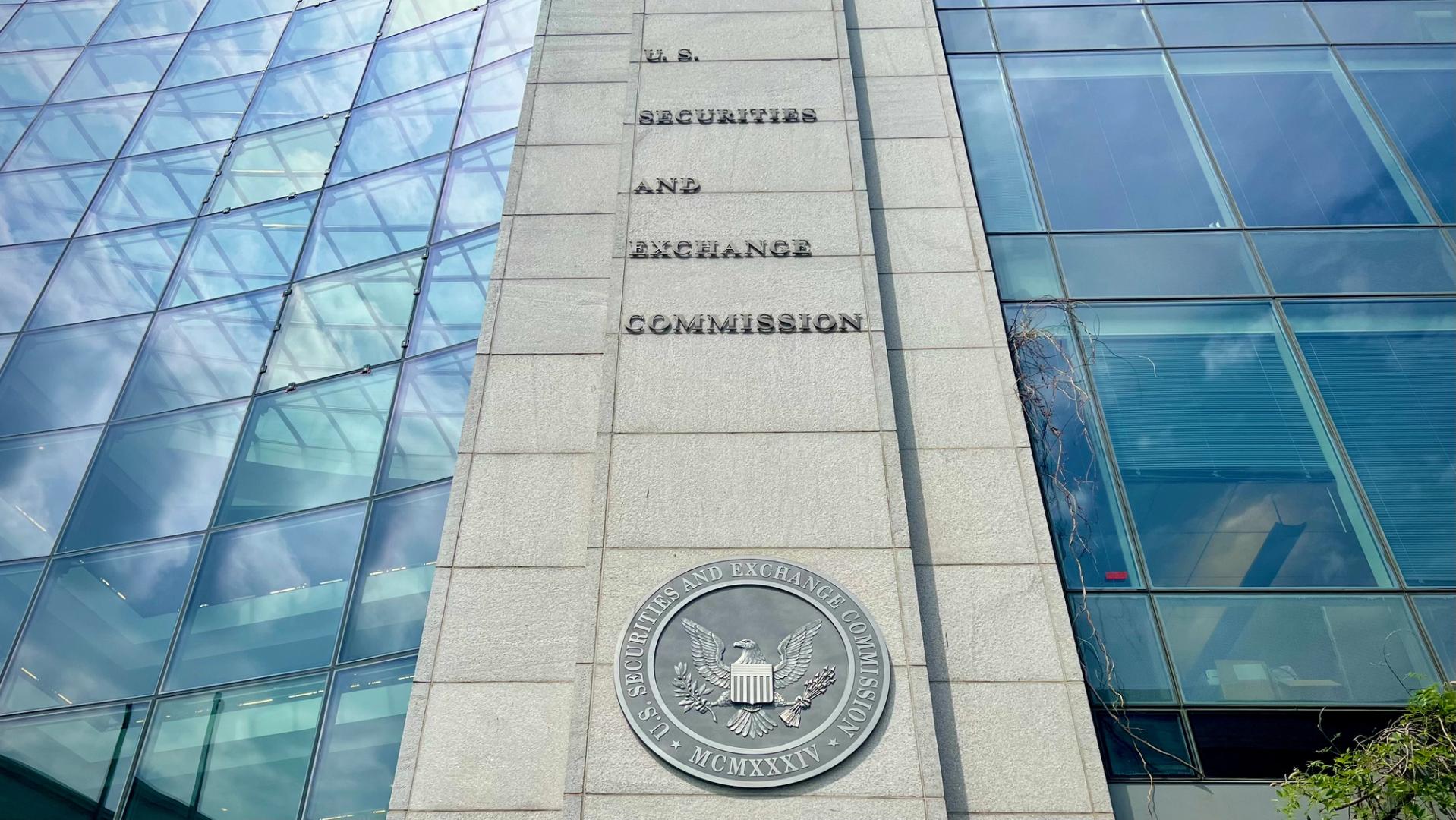
Others have pointed to the need for greater regulatory clarity and oversight in the stablecoin space, arguing that the absence of a clear framework has created an environment of uncertainty and risk.
As the stablecoin landscape continues to evolve, one thing is clear: the days of a single dominant player are behind us. The future of stablecoins will be shaped by the choices and strategies of key players like Coinbase, Visa, and Mastercard, and the decisions they make will have far-reaching implications for the entire industry.
Ultimately, the success of Open USD and other stablecoin options will depend on their ability to provide a seamless and secure payment experience for users, as well as their capacity to adapt to changing regulatory and market conditions.
Key Players Weigh In
Here's what executives from key players like Coinbase, Visa, and Mastercard have to say about their support for multiple stablecoin options:
- "At Coinbase, we believe that supporting multiple stablecoin options provides our customers with greater choice and flexibility. We're committed to working with a range of stablecoin providers to ensure that our users have access to the best possible payments experience." – Coinbase spokesperson
- "Visa is committed to providing our customers with a comprehensive range of payment options, including stablecoins. We believe that multiple stablecoin options will help to drive greater adoption and usage of digital payments." – Visa spokesperson
- "Mastercard is focused on delivering a seamless and secure payment experience for our customers. We believe that supporting multiple stablecoin options will help us to achieve this goal and drive greater adoption of digital payments." – Mastercard spokesperson
"The support for multiple stablecoins from Visa and Mastercard sends a strong signal to the market that these companies are committed to delivering a comprehensive range of payment options," said a leading industry analyst.
The stablecoin showdown between Open USD and USDC has sparked a heated debate in the cryptocurrency community. However, industry insiders are cautioning against a direct showdown, instead emphasizing the need for a more nuanced understanding of the stablecoin landscape.
The focus has shifted from a single dominant stablecoin to a more diversified ecosystem. Key players like Coinbase, Visa, and Mastercard have signaled their intention to support multiple stablecoin options, citing the need for greater choice and flexibility in the market.
As the stablecoin landscape continues to evolve, one thing is clear: the success of Open USD and other stablecoin options will depend on their ability to provide a seamless and secure payment experience for users, as well as their capacity to adapt to changing regulatory and market conditions.