Iran-Iraq Tensions Escalate as US Conducts Another Round of Aerial Strikes
 highabhi
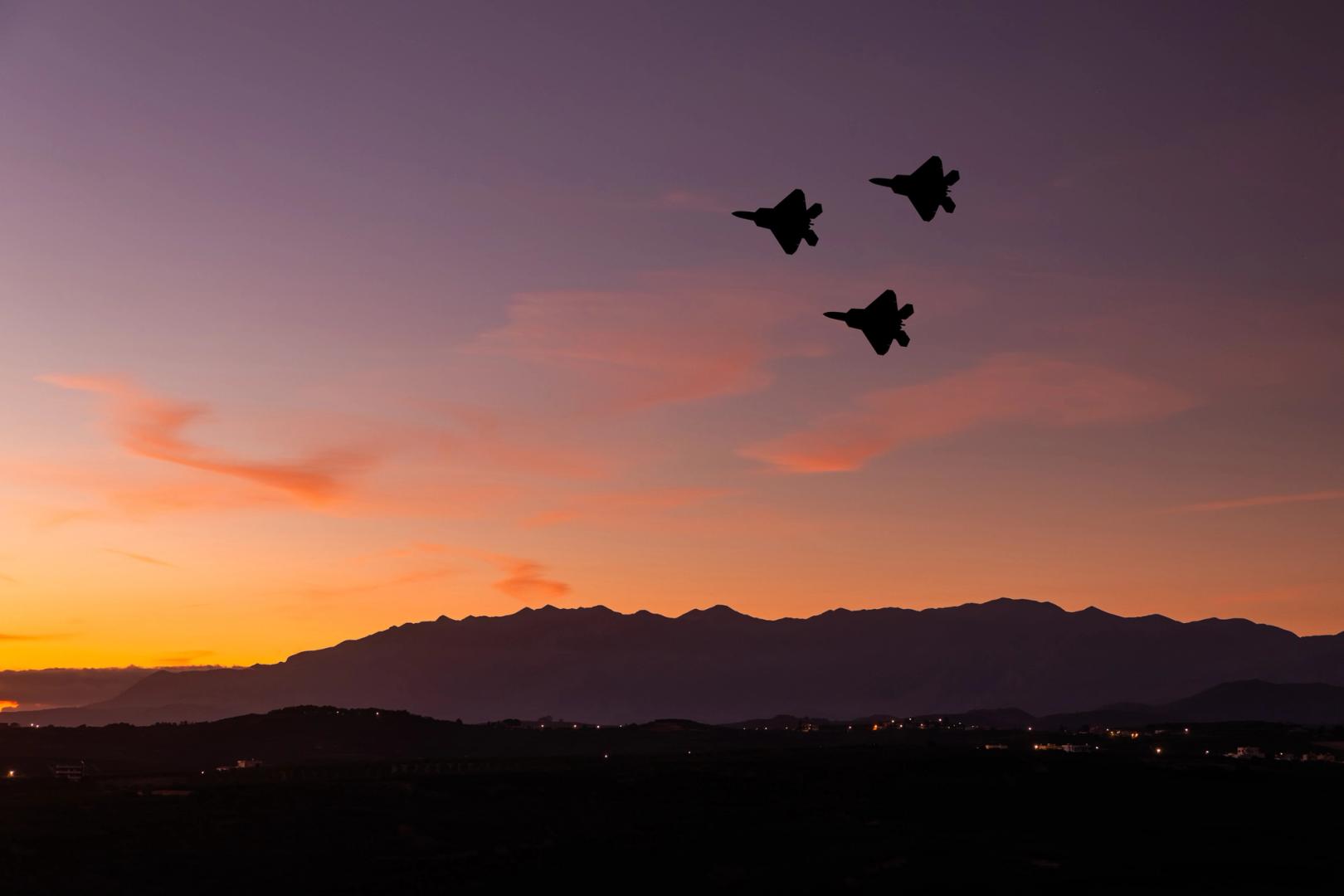
The ongoing conflict between the US and Iran has taken another dramatic turn, with the US launching its third round of airstrikes against the country in the past week.
The airstrikes, which were carried out in the early hours of the morning, have sparked widespread concerns about the potential escalation of the conflict. The US has yet to comment on the nature of the targets or the extent of the damage caused by the strikes.
Iran's response to the airstrikes has been swift and decisive, with the country's naval forces reportedly closing the Strait of Hormuz in a bid to disrupt international shipping and trade. The Strait of Hormuz is a strategically crucial waterway, through which a significant proportion of the world's oil supplies pass.
The closure of the Strait of Hormuz has sent shockwaves through the global energy market, with oil prices rising sharply in response to the news. The move has also highlighted the potential risks and consequences of further escalation of the conflict.
Analysts have warned that the closure of the Strait of Hormuz could have far-reaching consequences for the global economy, including a potential shortage of oil supplies and a rise in prices. The conflict has also raised concerns about the potential for a wider regional war and the impact on regional stability.
The international community is closely monitoring the situation, with diplomats and officials from around the world urging restraint and caution. The US and Iran have yet to engage in direct talks to resolve the crisis, although there are reports of backchannel negotiations taking place.
The situation is fluid and rapidly evolving, with new developments emerging by the hour. As the conflict continues to escalate, the international community is holding its breath, waiting to see what the next move will be.
In the meantime, the global economy is bracing itself for the potential consequences of the conflict, with oil prices continuing to rise and trade tensions between the US and China escalating.
The world is watching with bated breath as the situation in the Middle East continues to deteriorate. The stakes are high, and the consequences of failure are potentially catastrophic.
The conflict between the US and Iran is a complex and multifaceted one, with deep historical and cultural roots. The current crisis is the latest in a long series of incidents and provocations that have characterized the relationship between the two countries.
As the situation continues to unfold, it is clear that the conflict has the potential to have far-reaching consequences for the global economy and regional stability. The international community must come together to urge restraint and caution, and to find a peaceful resolution to the crisis.
The clock is ticking, and the world is waiting with bated breath to see how the situation will unfold. One thing is certain, however: the consequences of failure will be catastrophic.
The US and Iran have a long and complex history of conflict, with deep historical and cultural roots. The current crisis is the latest in a long series of incidents and provocations that have characterized the relationship between the two countries.
Despite efforts by the international community to broker a peace deal, the conflict continues to simmer, with both sides dug in and unwilling to compromise. The situation is tense and volatile, with the potential for a wider regional war looming large.
In the midst of this uncertainty, the global economy is bracing itself for the potential consequences of the conflict. Trade tensions between the US and China are escalating, and oil prices are continuing to rise in response to the crisis.
The world is watching with growing concern as the situation in the Middle East continues to deteriorate. The stakes are high, and the consequences of failure are potentially catastrophic.
As the conflict between the US and Iran continues to escalate, it is clear that the situation has reached a critical juncture. The international community must come together to urge restraint and caution, and to find a peaceful resolution to the crisis.
The clock is ticking, and the world is waiting with bated breath to see how the situation will unfold. One thing is certain, however: the consequences of failure will be catastrophic.
"The situation is extremely volatile, and the potential for a wider regional war is real. The international community must come together to urge restraint and caution, and to find a peaceful resolution to the crisis."
- The US has launched its third round of airstrikes against Iran in the past week, sparking widespread concerns about the potential escalation of the conflict.
- The airstrikes have raised concerns about the potential for a wider regional war and the impact on regional stability.
- The closure of the Strait of Hormuz has sent shockwaves through the global energy market, with oil prices rising sharply in response to the news.
- The international community is closely monitoring the situation, with diplomats and officials from around the world urging restraint and caution.