Cryptocurrency Empire in Crosshairs: New Draft Clashes with Trump Ethics
 highabhi
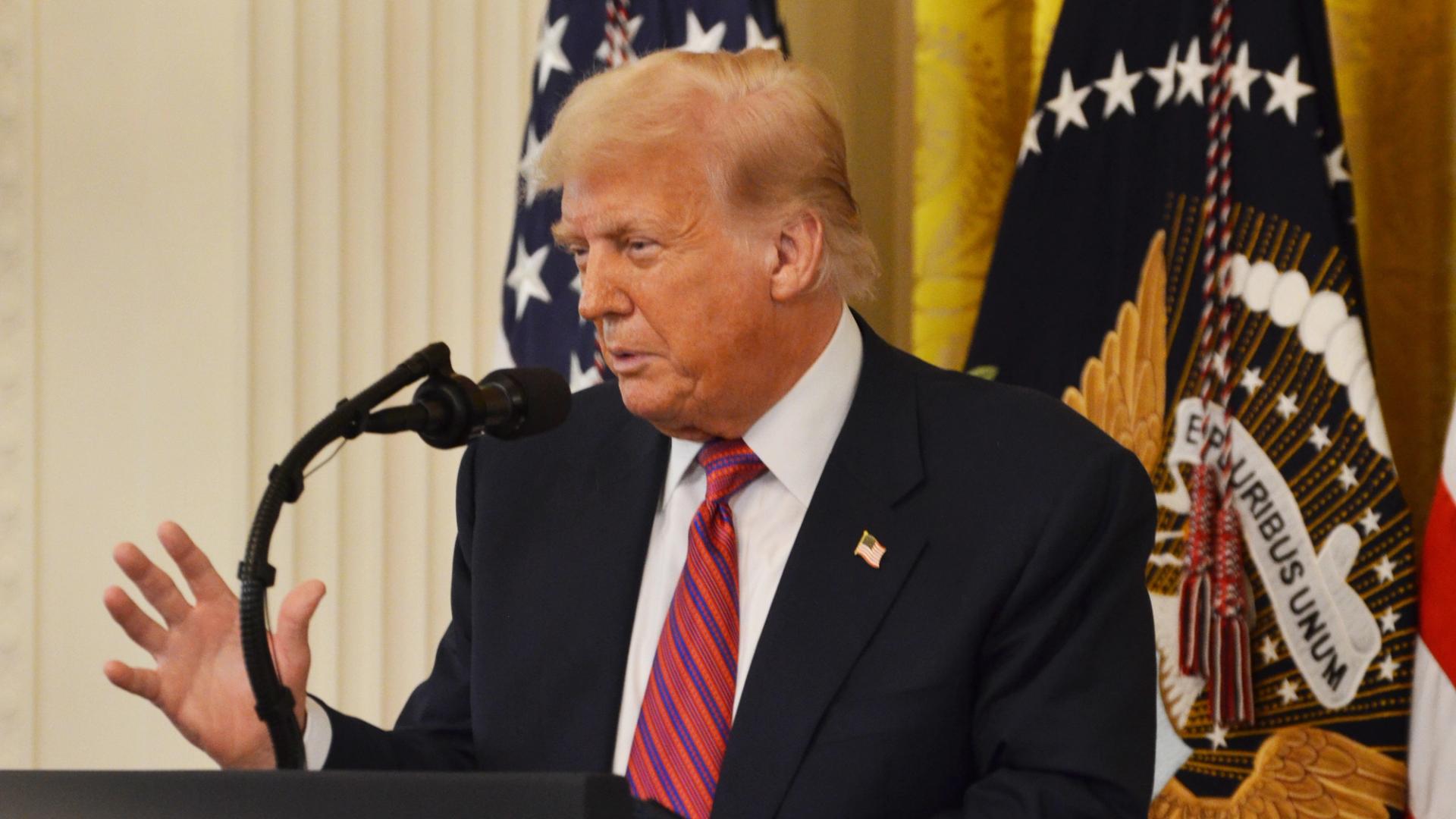
A long-standing debate over the intersection of power and finance has taken a fresh turn in Washington, as lawmakers introduce a revised draft targeting former President Donald Trump's extensive cryptocurrency holdings.
The proposed legislation, which has begun circulating among Senate members, seeks to curb Trump's grip on his sprawling crypto empire by establishing stricter limits on his ability to profit from his investments.
The draft's central provisions would effectively block Trump from leveraging his position to amplify his cryptocurrency ventures, aiming to prevent potential conflicts of interest and safeguard the integrity of the US government.
However, the draft's proponents face opposition from a vocal faction of lawmakers who continue to debate the ethics component of the bill. Critics argue that the government-ethics provision, which would impose strict disclosure requirements on government officials, is overly broad and could potentially stifle innovation in the cryptocurrency space.
Supporters of the legislation, on the other hand, insist that the provision is essential to maintaining transparency and accountability within the government. They argue that the current framework, which permits officials to exploit their positions for personal gain, creates an undue advantage and undermines public trust.
The crypto regulations have been a topic of contentious debate in Washington for years, with various actors pushing for stricter oversight and others advocating for more lenient guidelines.
Key aspects of the revised draft, which have garnered attention from lawmakers and industry stakeholders, include:
- Crypto asset disclosure requirements: Officials would be obligated to disclose any cryptocurrency holdings or investments, ensuring transparency and preventing secret financial dealings.
- Conflict-of-interest prohibitions: Government officials would be barred from engaging in transactions involving their own cryptocurrency investments, thereby preventing undue influence and exploitation of their positions.
- Investment restrictions: The proposed legislation would also restrict officials from investing in cryptocurrencies that are deemed to pose a high-risk to the US financial system, mitigating potential damage to the economy.
As the revised draft gains traction in the Senate, proponents and opponents will engage in intense lobbying efforts to sway their colleagues and influence the legislation's final shape. The outcome will have far-reaching implications for the cryptocurrency industry, the US government, and public perception of power and finance.
The ongoing deliberations underscore the complex interplay between politics and finance, as lawmakers navigate the delicate balance between promoting innovation and ensuring accountability.
In a statement to the press, a senior Senate staffer emphasized the importance of maintaining a fair and transparent regulatory framework, saying, 'The American people deserve to know where our officials stand on cryptocurrency and other high-risk assets, and we're committed to ensuring the integrity of our government.'