
India's IPO Boom: Are Startups Becoming IPO-Ready?
 itsprem
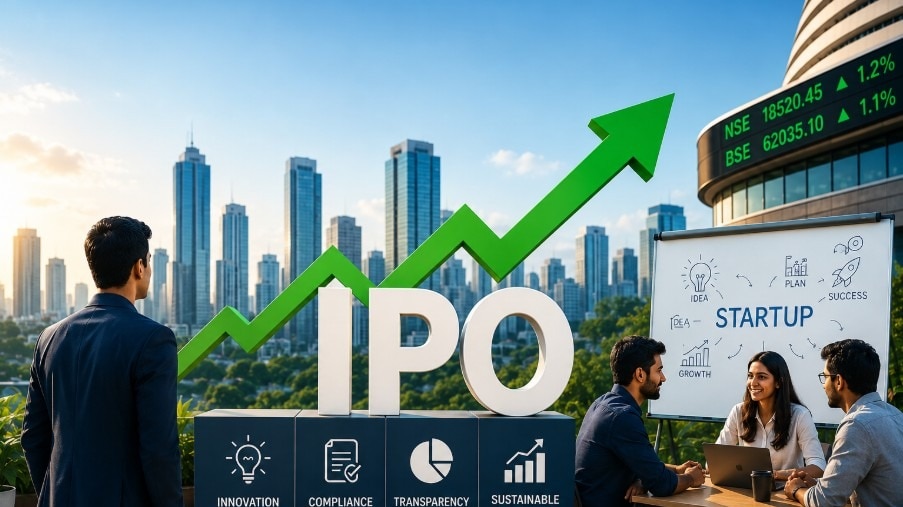
The Indian startup landscape has witnessed significant growth over the past decade, with a plethora of companies emerging in various sectors. However, not all startups have been successful in scaling up and achieving their growth potential. The recent IPO boom in India has brought attention to this issue, with many startups exploring the IPO route to raise funds and achieve liquidity.
According to data from the National Stock Exchange (NSE), the IPO market in India has seen a significant surge in recent years, with the number of IPOs increasing by over 50% in the last quarter. This has created a window of opportunity for startups to raise funds through the IPO route. However, the question remains - are these startups truly IPO-ready?
To answer this question, let's take a closer look at the key factors that determine a startup's IPO-readiness. Firstly, a startup needs to have a strong business model, a clear growth strategy, and a proven track record of financial performance. Additionally, it needs to have a robust governance structure in place, with a team of experienced professionals who can handle the complexities of being a listed company.
Secondly, a startup needs to have a solid balance sheet, with minimal debt and a strong cash position. This is crucial for startups that are looking to list on the stock exchanges, as they will need to demonstrate their ability to sustain themselves as a publicly listed company. Finally, a startup needs to have a clear vision and strategy for growth, with a focus on delivering long-term value to its shareholders.
So, what can we learn from the IPOs that have taken place in India in recent years? Let's take the example of Zomato, which listed on the NSE in July 2021. Zomato's IPO was highly anticipated, and it ended up raising over $1.3 billion. However, the company's listing was not without its challenges. Zomato's stock price was highly volatile in the initial days after listing, and the company faced intense scrutiny from investors and analysts.
However, Zomato's experience also highlights the potential benefits of listing on the stock exchanges. The company has been able to raise significant funds, which has helped it to expand its business and achieve its growth goals. Additionally, listing on the stock exchanges has also helped Zomato to increase its visibility and credibility, both domestically and internationally.
In conclusion, the IPO boom in India is creating a new generation of investor-ready startups. While not all startups are able to achieve their growth potential, those that have taken the time to develop a strong business model, governance structure, and balance sheet are well-positioned to succeed. As the IPO market continues to grow in India, we can expect to see even more startups exploring the IPO route and becoming IPO-ready.
Ultimately, the key to success for startups in India is to focus on delivering long-term value to their shareholders. By doing so, they will be able to achieve their growth goals, increase their visibility and credibility, and create a sustainable business model that can withstand the challenges of the stock markets.
As the Indian startup ecosystem continues to evolve, one thing is clear - the IPO boom is creating new opportunities for startups to raise funds and achieve liquidity. By understanding the key factors that determine IPO-readiness and taking the time to develop a strong business model, governance structure, and balance sheet, startups can position themselves for success in the stock markets.
Here are some key statistics that highlight the growth of the IPO market in India:
- Number of IPOs in India increased by over 50% in the last quarter.
- Amount raised through IPOs in India has increased by over 200% in the last year.
- Market capitalization of Indian companies listed on the stock exchanges has increased by over 300% in the last five years.
'The IPO market in India is creating a new generation of investor-ready startups,' said Rakesh Jhunjhunwala, a well-known Indian investor. 'However, it's essential for startups to have a solid business model, governance structure, and balance sheet to succeed in the stock markets.'
The IPO boom in India is creating a new era of opportunities for startups to raise funds and achieve liquidity. By understanding the key factors that determine IPO-readiness and taking the time to develop a strong business model, governance structure, and balance sheet, startups can position themselves for success in the stock markets.