
Bipartisan Breakthroughs Needed for Crypto Market Structure Bill
 highabhi
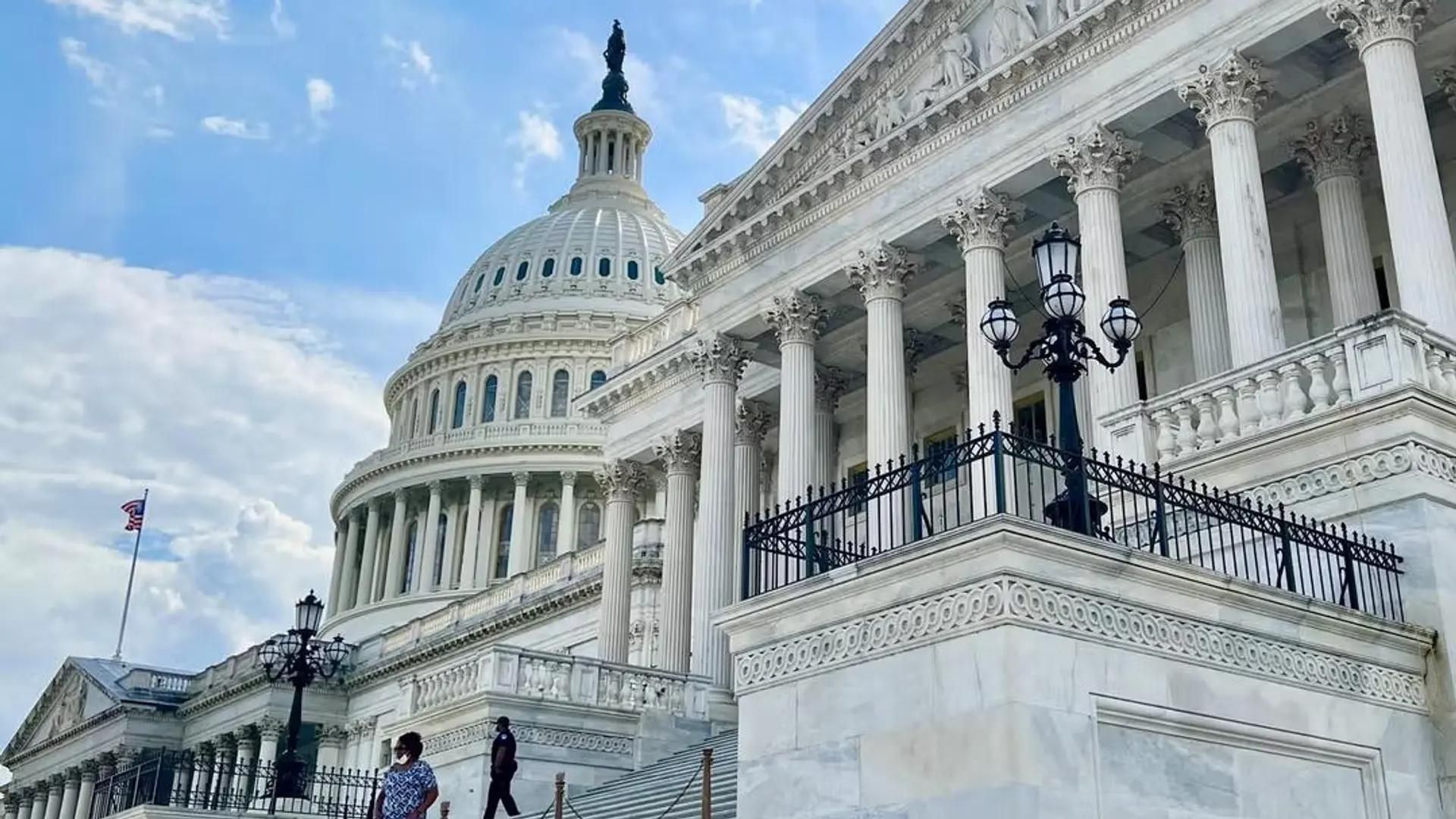
The cryptocurrency market has been waiting with bated breath for a breakthrough in the crypto market structure bill. After months of stagnation, insiders claim that a new draft may be on the horizon, setting the stage for a final push towards late-July action.
The bill, which has been in the works for an extended period, seeks to establish a clear regulatory framework for the rapidly expanding cryptocurrency industry. However, despite the growing need for oversight, bipartisan buy-in remains elusive.
The lack of consensus has hindered the bill's progress, with various stakeholders struggling to find common ground. As the cryptocurrency market continues to evolve at an unprecedented pace, the need for regulatory clarity has never been more pressing.
Key Challenges Facing the Bill
- Lack of Bipartisan Support**: The bill's fate hangs in the balance as lawmakers from both parties fail to see eye-to-eye on key issues.
- Regulatory Ambiguity**: The absence of clear guidelines has left investors, operators, and other stakeholders in a state of limbo, unsure of how to navigate the complex landscape.
- Industry Pushback**: Some cryptocurrency companies and advocacy groups have expressed concerns that overly stringent regulations could stifle innovation and hinder growth.
As the clock ticks down towards the end of July, stakeholders are holding their breath, waiting to see if this latest development will bring about a breakthrough or continue to stall the process. While a new draft may be on the horizon, the road ahead remains fraught with challenges.
"The crypto market structure bill is a pressing issue that requires careful consideration and nuanced regulation. We're hopeful that this latest development will bring about a renewed sense of urgency and cooperation among lawmakers."
— Rachel Lee, Crypto Industry Analyst
The cryptocurrency market structure bill is a complex and contentious issue. As lawmakers continue to grapple with the challenges of regulating this rapidly evolving industry, it's clear that a delicate balance must be struck between oversight and innovation. The question now is whether this latest development will mark a turning point or simply prolong the wait for a solution.